

 2026 O-TOWN HOUSE, LA
 2015 LUIS DE JESUS, LOS ANGELES
 2015 OCHI GALLERY, KETCHUM
 2013 COMMONWEALTH & COUNCIL, LA
 2013 PØST, LOS ANGELES
 2012 LACMA, LOS ANGELES
 2011 HUMAN RESOURCES, LA
 2010 OCHI GALLERY, KETCHUM
 2008 SUNDAY L.E.S, NEW YORK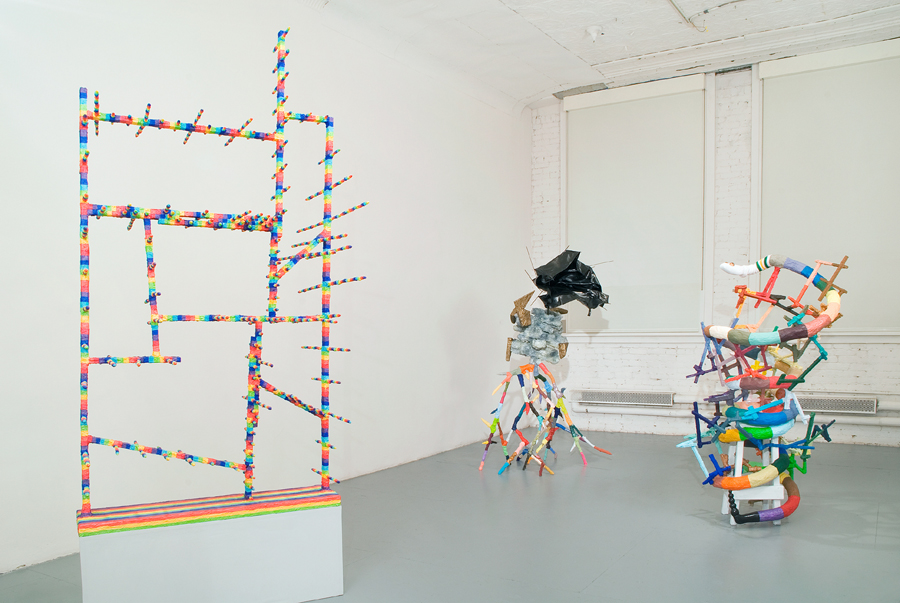
 2005 THE DRAWING CENTER, NY
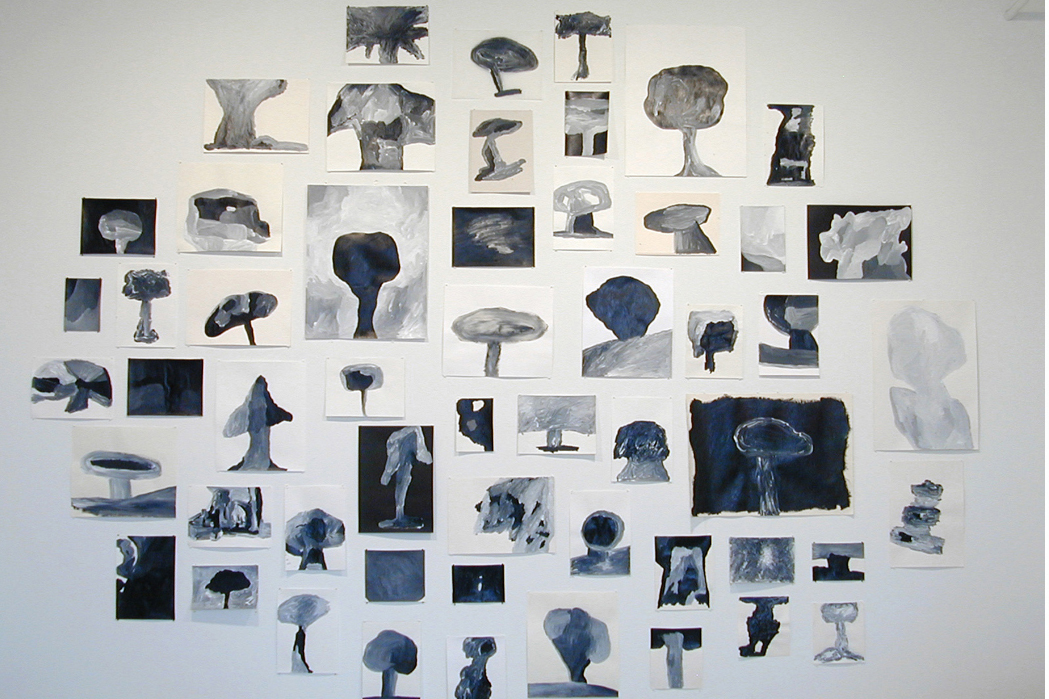 2005 THIERRY GOLDBERG, NEW YORK


O-Town House
Los Angeles, CA
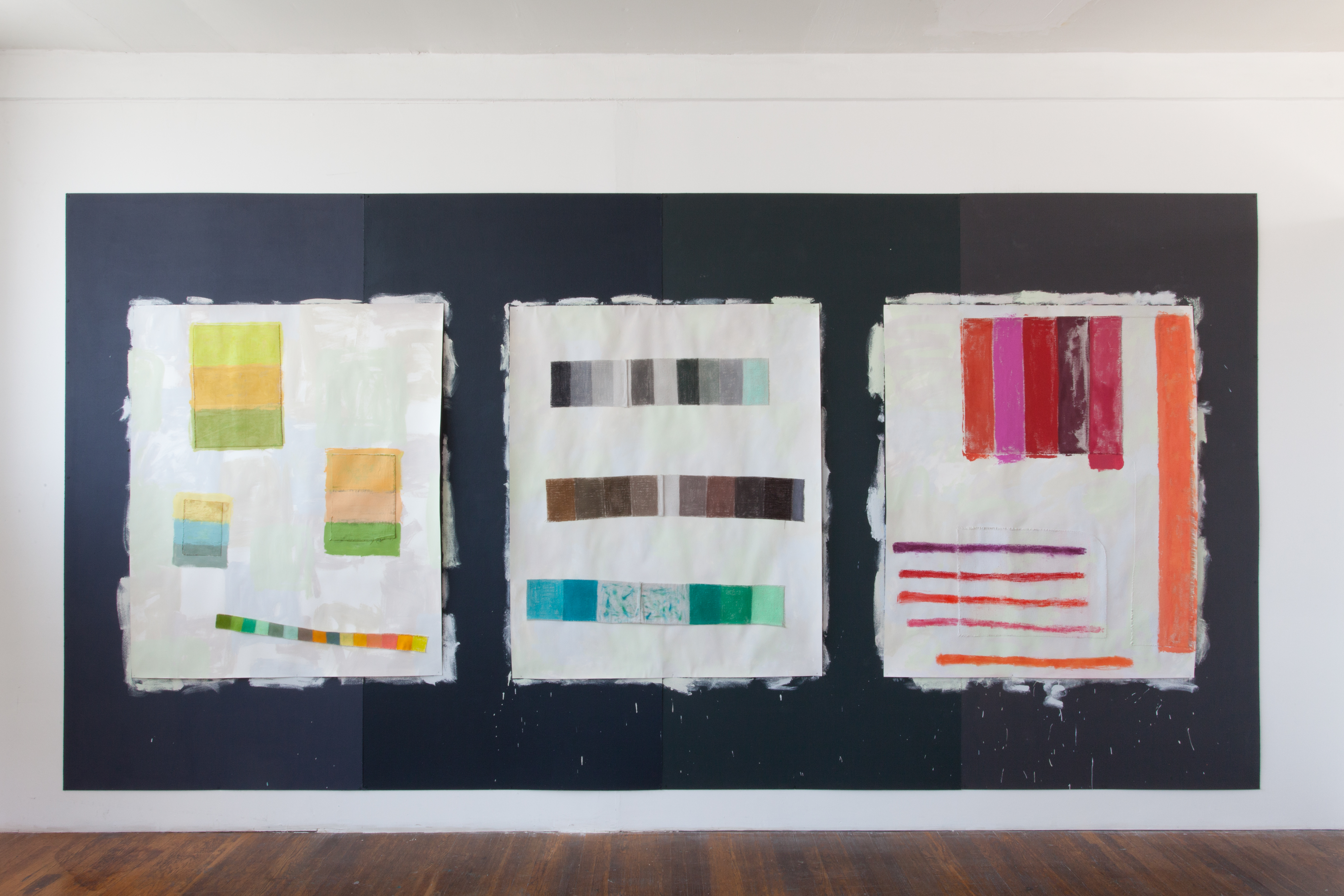
February 21 - April 18, 2026Molly Larkey (b. 1971, Los Angeles, lives and works in Los Angeles) has always worked with color and material as spatial proposition. The exhibition New Paintings at O-Town House explores painting as a material, structural, and spatial practice through a combination of weaving and painting. Rather than treating painting as a purely pictorial medium, this project approaches painting as a system: one composed of material supports and underlying conditions that are often rendered invisible. These works are not just formal devices, they are actions toward a different kind of world-making, one where multiplicity, contradiction, and interdependence coexists.
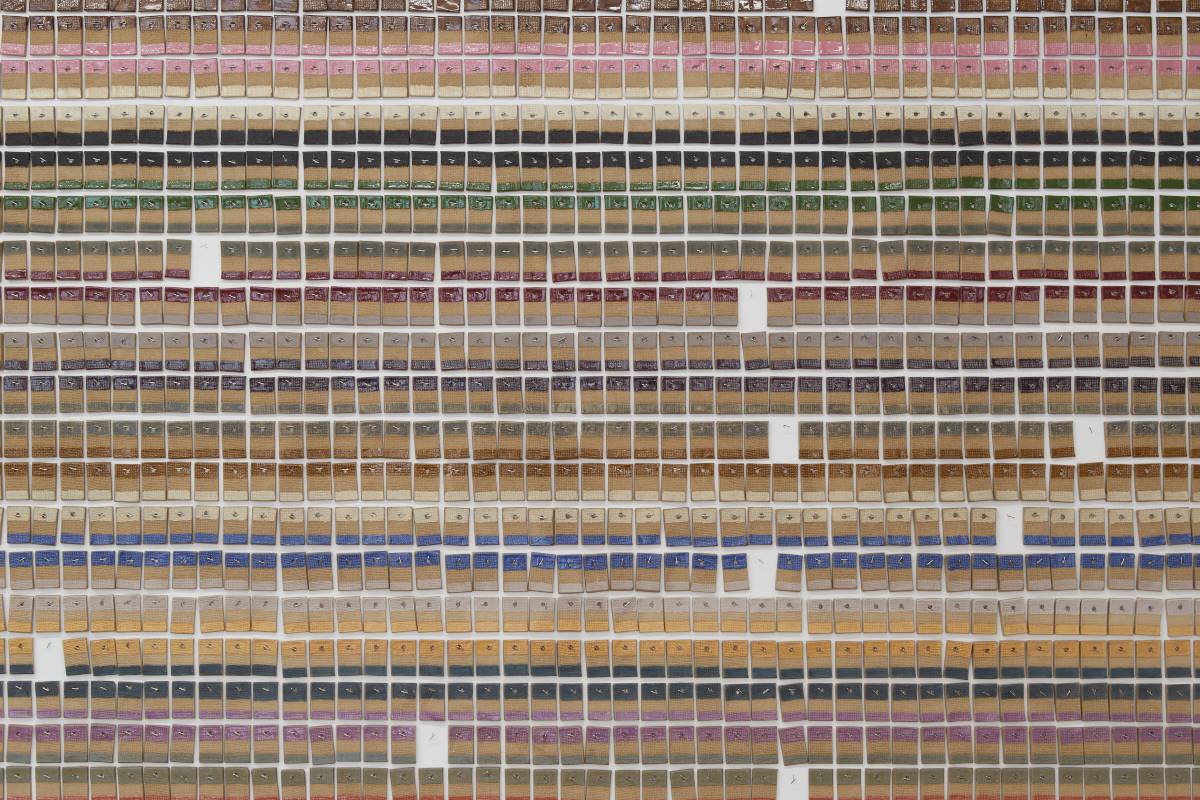
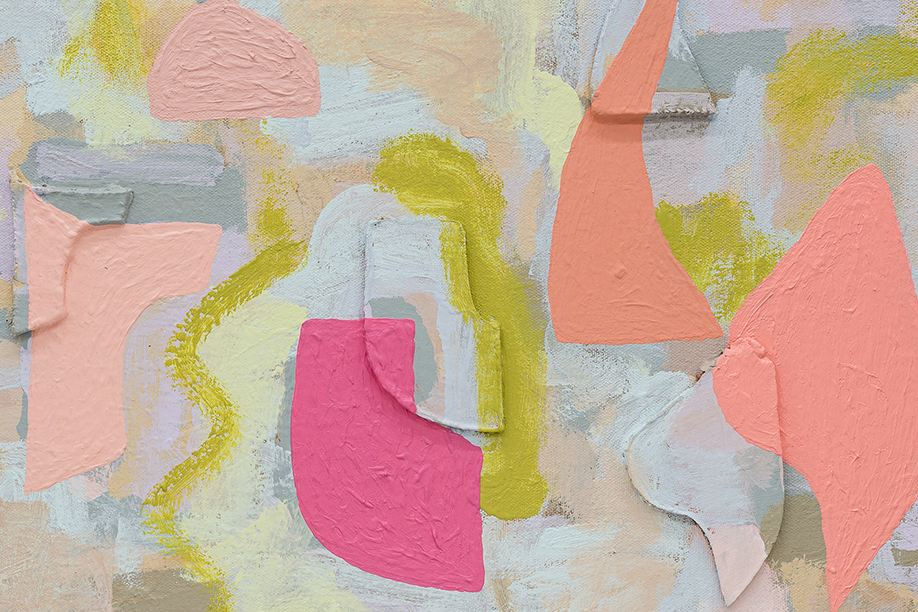
Each artwork begins with tearing strips of canvas and weaving them together, creating a soft grid. This process introduces seams and gaps, and emphasizes the torn edges and texture of the fabric. Oil paint is applied across this woven surface in such a way that allows for contrasting painting styles and pictorial logics to co-exist within each painting.
Forms accumulate, compress, dissolve, and re-emerge, generating a sense of movement that feels both intuitive and precise. The exhibition attends to abstraction not as whimsical escape, but as a structure for intensity: a space where color carries weight and form, a site of negotiation and interrogation. The surface is simultaneously fragmented and whole, as the weave creates the possibility for something new out of what has been taken apart.
A central concern of this project is the visibility of the materials. In conventional painting, the canvas functions as an invisible infrastructure: it holds the image while disappearing beneath it. By making the support visible and materially active, the woven paintings foreground what is usually concealed but essential. This approach obliquely evokes underlying social systems—economic, social, and political frameworks – that structure lived experience while remaining largely unacknowledged. Visibility is an outcome of power structures that allow something or someone to be seen. Normally these power structures are erased, or treated as natural, inevitable. Here it is brought out of invisibility, revealing how the underlying material traces and conditions are entangled with the surface.